
In most cases, yes, but not always. It usually depends on what the work actually touches: plumbing, electrical, ventilation, or the room's structure. Simple cosmetic updates often don't require one. New fixtures, moved walls, or rerouted pipes usually do.
If your remodel includes layout changes, new plumbing, or a larger renovation, understanding permit requirements early can help you avoid delays later, from choosing the right contractor to scheduling inspections around the rest of the project.
Do You Need a Permit to Remodel a Bathroom in California?
No single yes-or-no answer covers every bathroom project in the state. Permit requirements typically depend on what the work affects, including:
- plumbing
- electrical systems
- ventilation
- walls or structural components
- fixture locations
- shower or tub construction
Local jurisdiction matters just as much as scope. Official guidance in Mountain View, for example, spells out exactly what bathroom work does and doesn't require a permit, right down to specific fixtures. San Francisco maintains its own dedicated kitchen and bath remodel permit process for in-kind, non-structural work.
Given that variation, it's not accurate to say California requires a permit for every bathroom remodel. That's too broad to rely on. A better way to put it: many bathroom remodels require permits depending on their scope and local jurisdiction, with the specifics set at the city or county level.
What Bathroom Remodeling Work Usually Requires a Permit?
Bathroom remodel permit requirements generally fall into four categories. If your project touches any of these, plan on pulling a permit.
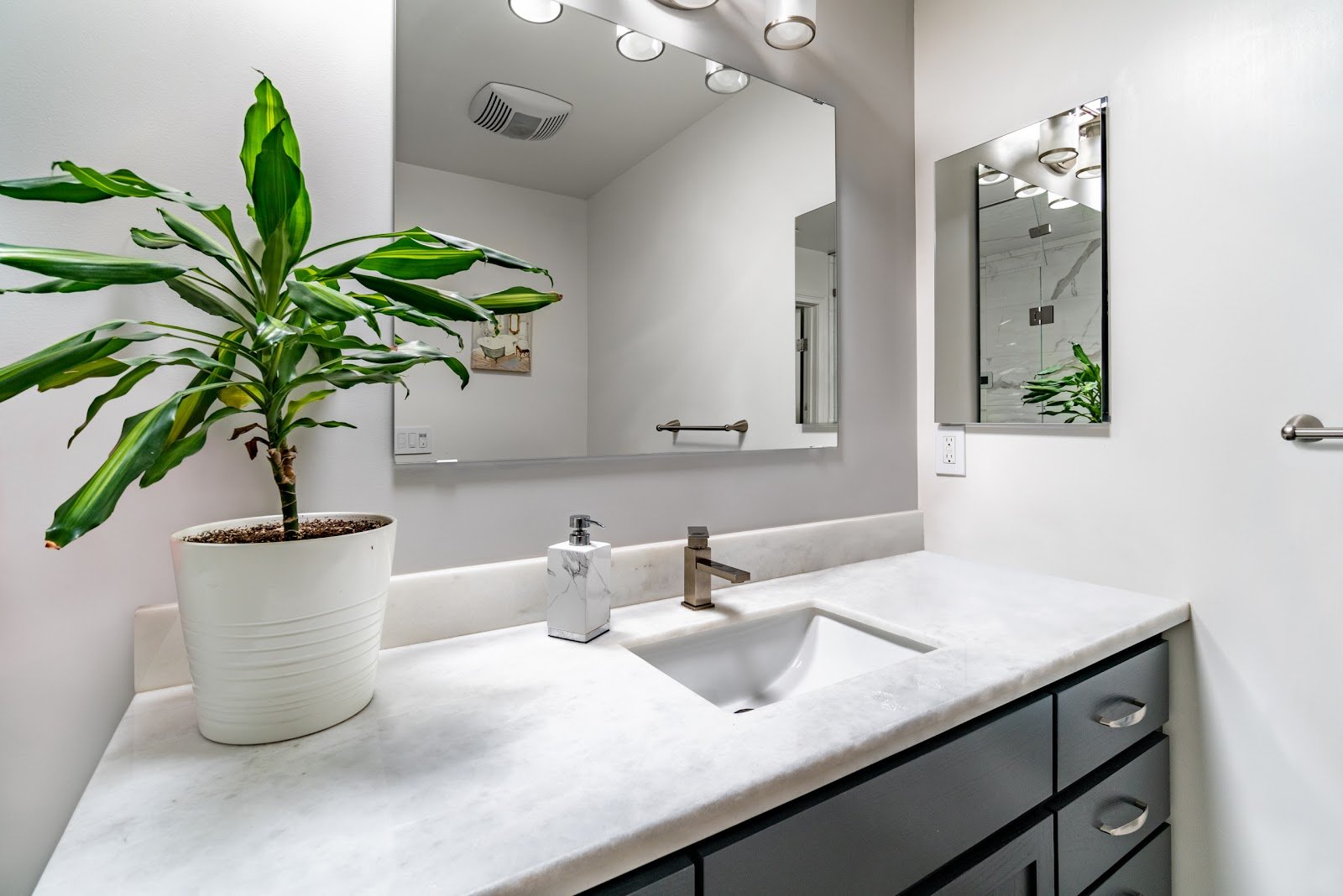
Moving or Adding Plumbing
Plumbing changes are one of the most common reasons a bathroom plumbing permit gets pulled, including:
- relocating a toilet
- moving a shower
- changing a bathtub's location
- moving sink plumbing
- adding new plumbing fixtures
Electrical Changes
Electrical work almost always needs its own review, separate from the general building permit a bathroom remodel requires. Common examples:
- adding outlets
- relocating electrical
- installing new circuits
- lighting changes that involve electrical work
Structural or Layout Changes
Anything that changes the shape of the room typically requires review, such as:
- removing or altering walls
- changing door openings
- framing a new shower area
- other significant layout changes
Ventilation Changes
Ventilation changes are often part of a permit for bathroom remodel projects that touch a tub or shower, including:
- adding an exhaust fan where none exists
- relocating an existing exhaust fan
- upgrading fan capacity as part of a larger remodel
What Bathroom Updates May Not Require a Permit?
Plenty of bathroom updates fall outside permit territory, including:
- painting
- replacing cosmetic finishes
- swapping certain cabinet or vanity finishes
- replacing accessories
- some flooring work
- some like-for-like fixture replacements
This isn't a definitive California-wide list. Local rules vary, sometimes down to the specific fixture. Mountain View is a good example: its official bathroom remodel guidance distinguishes between individual fixture replacements rather than treating every update the same. A toilet swapped in the same location may be exempt, while replacing a tub or shower enclosure is not.
Before assuming your project is permit-free, check with the building department responsible for your property.
Do You Need a Permit If You Move Bathroom Plumbing?
Moving plumbing is one of the clearest signals that a project has grown beyond a cosmetic update. This includes:
- moving a toilet drain
- relocating a shower
- moving a bathtub
- relocating a sink
- changing supply or drain lines
Once you reroute waste or supply lines, you're typically looking at inspection requirements that a simple fixture swap wouldn't trigger. Relocating plumbing tends to happen as part of a larger layout change, not a small fixture swap.
Even so, it's worth working with a team that handles professional bathroom remodeling, permitting included, from the start.
Bathroom Remodel Permits and Inspections
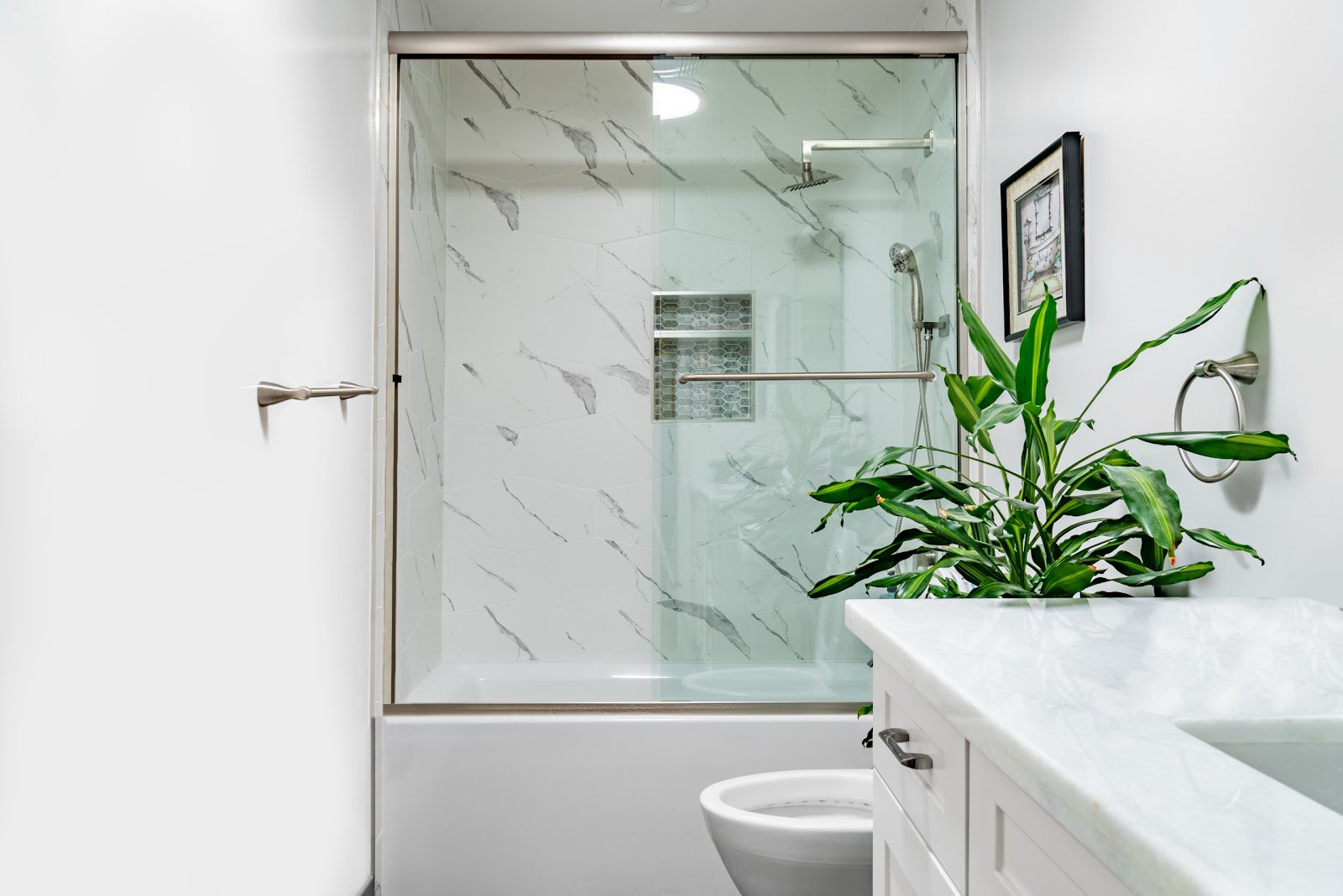
While the exact process varies by city, most bathroom remodel permits in California follow a similar general sequence:
- Remodel scope is prepared.
- Required plans or documents are submitted.
- The permit is issued.
- Work begins.
- Required rough inspections take place.
- Work is completed.
- A final inspection is performed when required.
Electrical, plumbing, and building inspections can happen at different stages, depending on the project scope and jurisdiction. A simple fixture swap might only need one inspection; a full layout change with new plumbing and wiring will likely need several, spaced across the timeline.
How Much Does a Bathroom Remodel Permit Cost in California?
No single, reliable bathroom remodel permit cost applies statewide. It depends on:
- the city or county
- construction value
- scope of work
- plumbing, electrical, or structural work involved
- required plan review
Check the applicable city or county building department for the current fee schedule.
For a broader look at what a project might cost overall, see our breakdown of bathroom remodeling costs in the Bay Area.
Bathroom Remodel Permits in the Bay Area
Bay Area cities don't all handle bathroom remodel permits the same way. You'll see this across Walnut Creek, Concord, Danville, Lafayette, San Ramon, Dublin, Pleasanton, San Jose, Palo Alto, and San Francisco, among others. Each has its own building department, forms, and review timelines.
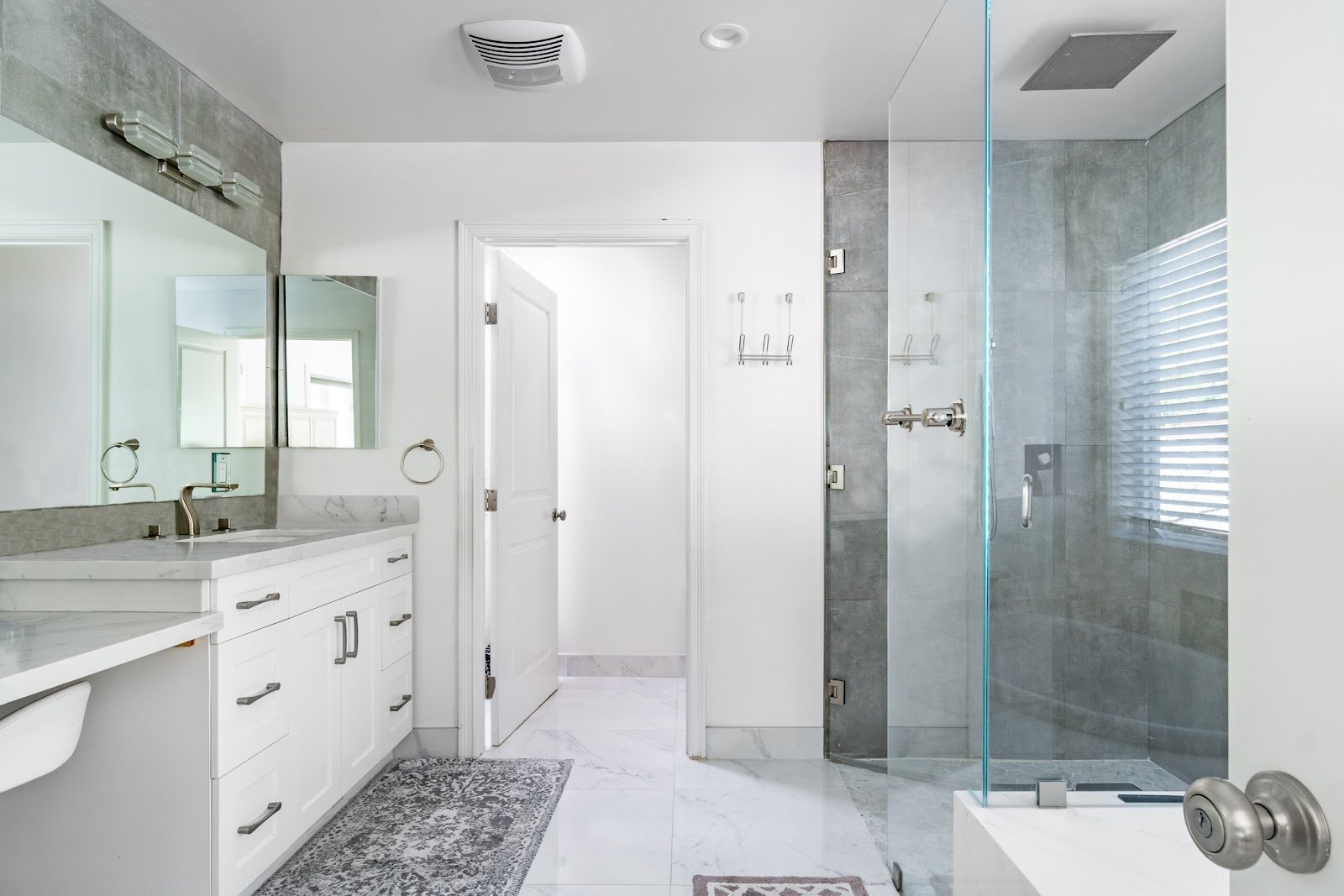
Don't assume a remodel permitted one way in San Francisco will follow the exact same process in Walnut Creek, San Jose, or Mountain View, as the Mountain View and San Francisco examples above already show.
The right starting point, wherever your property is, is the building department that serves it.
What Happens If You Remodel a Bathroom Without a Permit?
Skipping a required permit doesn't make the work disappear from scrutiny. It usually just gets deferred. Unpermitted work may need to be reviewed later, and corrections could be required if it doesn't meet code. In some cases, you may need to open up finished walls or surfaces so an inspector can see concealed plumbing or electrical work.
It's not accurate to say you won't be able to sell your house. Unpermitted work can raise questions or require extra steps later, especially when future work, an appraisal, or a sale requires inspection.
Planning a Bathroom Remodel in the Bay Area?
Permits are just one part of planning a bathroom remodel, but they're an easy thing to get wrong on your own if you're managing the project yourself. Even with a full-service team, though, it's worth confirming who's actually responsible for pulling the permit before work starts. At Home by Tom, we build permitting into our process from the first conversation, alongside design, plumbing, electrical, and finish work, so nothing catches you off guard mid-project.
Explore Our Bathroom Remodeling ServicesFAQ
Do I need a permit to replace a bathtub in California?
Often, yes, especially if the tub is being converted to a shower, the enclosure is changing, or plumbing lines are moving. Mountain View, for instance, requires a permit for any bathroom remodel that includes replacing a tub or shower enclosure. Check with your city's building department before starting.
Do I need a permit to replace a bathroom vanity?
Usually not, if it's a straightforward vanity swap in the same location using the existing plumbing and wiring. If the project changes water lines, drain locations, or adds electrical work, it will more likely require a permit. Confirm with your local building department.
Do I need a permit to move a toilet?
Yes, in most cases. Relocating a toilet means rerouting supply and drain lines, which typically falls under plumbing permit requirements, even in jurisdictions where swapping a toilet in the same spot doesn't need one.
Can a contractor pull a bathroom remodel permit for me?
Yes. A licensed contractor can typically apply for and manage the permit as part of the project, handling the paperwork, city coordination, and inspections. It's one reason working with a full-service remodeling team can simplify the process considerably.